Fox Sports went to commercial during the World Cup opener and came back 40 seconds late. The whole country is watching soccer for the first time in years, the ratings are historic, and Fox still can’t be bothered to stay on the damn field.
Mexico vs. South Africa. June 11. Second half. FIFA’s mandatory hydration break kicks in, and Fox does what Fox does: sells ads. Fine. That’s the deal. Except the FIFA rule requires broadcasters to return at least 30 seconds before play resumes. Fox missed that window by roughly 40 seconds, meaning somewhere between 8 and 10 seconds of live play vanished before viewers got the picture back. Their explanation? A miscommunication. They misread referee Wilton Sampaio’s break signal. FIFA accepted that and moved on without any punishment. Of course they did.
Paul Tenorio of The Athletic called it “brutal and embarrassing,” and he was being generous.
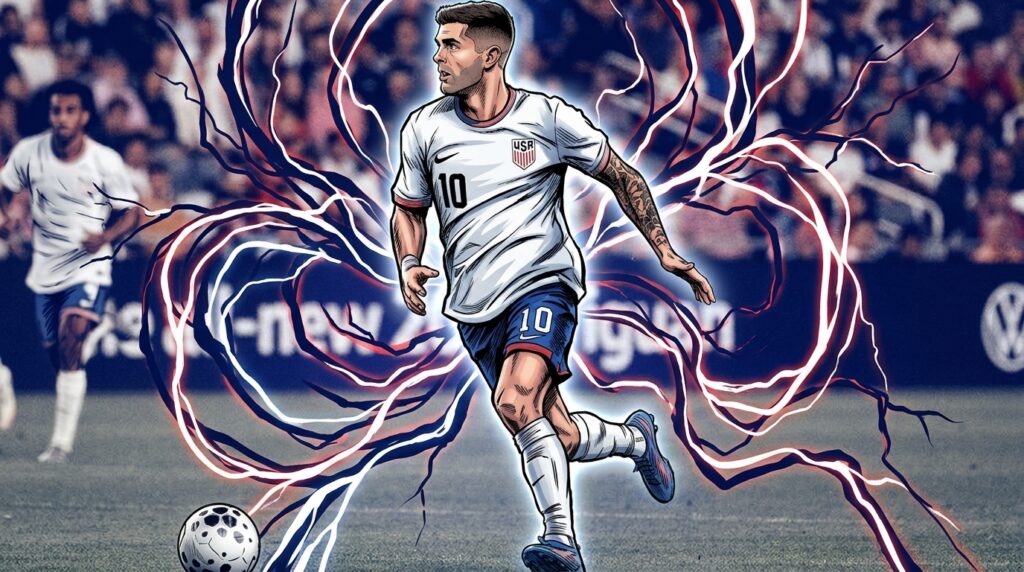
What makes this so infuriating isn’t just the screw-up itself. It’s the context. USMNT vs. Paraguay drew over 18 million viewers, peaking at 21.5 million — the most-watched men’s World Cup telecast in English-language American history, up 132% from 2022. Fox is sitting on a gold mine and still treating soccer like a Thursday afternoon NWSL match nobody asked for.
Meanwhile, Telemundo stayed on the field the whole time. No hard cut to commercials, just a corner banner ad and uninterrupted coverage. Telemundo averaged 7.5 million viewers per match. Fox English averaged 6.66 million. The Spanish-language broadcast, with the corner banner format Fox couldn’t be bothered to use, pulled more eyeballs. Fox lost on its own turf to a competitor that just stayed on the field.
The money is what makes it genuinely gross. Fox makes an estimated $250 million or more from these hydration break spots alone — $200K per 30-second unit for group games, $750K for USMNT matches. Their total rights fee is $485 million. They are potentially covering more than half their investment from the ads inside the breaks that FIFA invented specifically for them. This wasn’t some rogue decision by a Fox producer. FIFA and Fox co-created this commercial format in March 2026 and announced it jointly. FIFA profits from the arrangement too. So when FIFA declined to punish Fox, nobody should have been surprised. You don’t sanction the partner who is paying for your product.
And yet Fox still couldn’t execute the one thing the format requires: come back on time.
After the backlash, Fox briefly went to split-screen coverage for Mexico vs. South Korea. Progress, right? Then they reverted to full-screen ads for USMNT vs. Australia. They tried the right thing for exactly one match before deciding it wasn’t worth the effort. Virgil van Dijk publicly said the commercial breaks were “not great” for TV viewers. A Dutch international, one of the most recognizable players alive, felt the need to say something. Fox’s response was to go back to full-screen ads.
The ESPN angle adds one more layer: under the current rights structure, ESPN cannot air World Cup highlights until Fox has finished all its match and studio programming for the day. That can mean a 12-hour delay or more. Fox isn’t just fumbling live coverage — they are actively controlling how everyone else gets to cover the tournament.
Nobody who has watched Fox’s soccer coverage over the last decade should be surprised by any of this. The money got bigger, the audience got bigger, the stakes got bigger. Fox’s relationship with the sport stayed exactly the same.